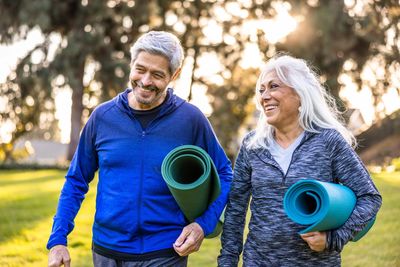
Old Guy YogA: Where Mind and Body Meet
Yoga for Older Adults: Start Your Journey
Rediscover Strength, Balance, and Peace Through Yoga
As we age, maintaining mobility, stability, and mental clarity becomes more important than ever. Millions of older adults are turning to yoga not as a fitness trend, but as a sustainable, low-impact practice that supports whole-body wellness. In cities like Billings and across Montana communities, yoga for older adults is proving to be a transformative tool—helping improve balance, reduce joint stiffness, enhance breathing, and promote better sleep.
This guide is designed to help you begin your journey with confidence, whether you’ve never stepped onto a mat or are returning after years away. You’ll learn how gentle yoga sequences can increase flexibility, build functional strength, and support independence in daily life. We’ll explore modifications that make poses accessible, spotlight breathing techniques to manage stress, and share practical tips for creating a safe, effective routine at home or in local classes.
You’ll also discover how consistent, mindful movement can positively impact common age-related concerns—without the need for intense workouts. By the end, you’ll have the foundational knowledge to embrace yoga as a lifelong practice that nurtures both body and mind.
Unlock Enhanced Well-Being Through Yoga in Later Life
As we age, maintaining mobility, balance, and mental clarity becomes increasingly important—and yoga offers a holistic path forward. For older adults in Billings and beyond, integrating a gentle yoga practice into daily life can lead to meaningful improvements in both physical resilience and emotional health. This low-impact discipline supports joint flexibility, muscle strength, and posture, reducing the risk of falls and enhancing everyday functionality. Breath-focused flows and mindful movement also encourage nervous system regulation, helping to manage stress, improve sleep quality, and foster emotional stability.
Unlike high-intensity workouts, yoga is highly adaptable, allowing practitioners to use chairs, blocks, or walls for support. This makes it ideal for individuals managing arthritis, hypertension, or limited range of motion. Classes designed specifically for mature bodies emphasize safety, alignment, and gradual progress. Over time, consistent practice can lead to noticeable gains in energy levels, breathing capacity, and body awareness. Whether practiced at a local studio or from the comfort of home, yoga empowers aging adults to stay connected with their bodies and minds. Starting with just 10–15 minutes a day can yield real results, building confidence and independence that support long-term wellness goals tailored to life in Montana and similar communities.
7 Essential Props and Smart Modifications That Make Yoga Accessible for Seniors
Yoga for older adults doesn’t require advanced poses or perfect flexibility—just thoughtful adaptations that honor changing bodies. With the right props and modifications, even those with limited mobility or joint sensitivity can enjoy increased strength, balance, and mental clarity. Here are seven practical tools and techniques that safely bring yoga within reach.
- Chair Yoga for Stability and Strength
Using a sturdy chair eliminates balance concerns while maintaining core engagement. Seated poses like spinal twists and forward folds improve mobility, while standing poses—performed while holding the backrest—build leg strength safely. - Wall Support for Confidence in Standing Poses
The wall acts as an extension of your practice space. Use it for alignment checks in Warrior poses or gentle inversions like legs-up-the-wall, which support circulation and relaxation—especially beneficial after long days in Billings or other Montana communities. - Yoga Blocks for Joint-Friendly Alignment
Instead of straining to reach the floor, place blocks under hands in poses like Triangle or Half Moon. This small adjustment reduces stress on knees, hips, and lower back, allowing proper alignment without discomfort. - Straps to Improve Flexibility Gradually
A yoga strap helps extend reach in seated forward bends or shoulder stretches. This gentle assistance encourages lengthening without overstretching, ideal for those managing arthritis or stiffness. - Bolsters for Restorative Comfort
In restorative sequences, place a bolster under the spine or knees to release tension safely. This support enhances relaxation and is especially useful for improving sleep and reducing stress. - Blankets for Cushioning and Warmth
Folded blankets provide joint padding during kneeling poses and add warmth during final relaxation—key for older adults who may feel the chill, especially in cooler mountain climates. - Wall Mats or Anchored Ropes for Balance Practice
For those working on stability, a wall-mounted yoga mat or rope system (similar to Iyengar setups) provides secure resistance. These supports help build confidence in poses like Standing Forward Bend without fear of falling.
Finding the Right Yoga Class and Instructor for Your Age and Ability
Starting a yoga practice later in life begins with choosing a class and instructor that align with your physical needs and experience level. Follow these steps to make a confident, informed decision.
- Look for Classes Specifically Designed for Older Adults
Search for keywords like gentle yoga, senior yoga, or yoga for age 60+ on studio websites or local community center schedules. These classes prioritize joint safety, balance, and mobility over intensity. - Assess the Instructor’s Qualifications
Find teachers with certifications in yoga therapy or experience working with mature populations. Instructors trained in adaptive yoga can modify poses for arthritis, limited mobility, or joint replacements—common concerns for older practitioners. - Visit the Studio or Attend a Trial Class
Observe whether the environment feels welcoming and inclusive. Check if props like blocks, chairs, and straps are readily available—these support proper alignment and reduce strain. - Prioritize Proximity and Accessibility
Choose a location nearby—like a Billings studio with easy parking and ADA-compliant facilities—to encourage consistency. Local classes also foster community and accountability. - Ask Questions Before Committing
Contact the studio to ask about class pacing, typical student age range, and if modifications are built into each session. A knowledgeable instructor will happily share this information.
Start with one class a week, track how your body responds, and remember: the right fit feels supportive, not strenuous.
Addressing Your Top Concerns About Starting Yoga Later in Life
Starting a new practice like yoga can spark questions—especially as we age. Let’s tackle common concerns so you can begin with confidence, no matter your starting point.
Is yoga safe for older adults with joint pain or arthritis?
Yes, yoga is widely recognized for its joint-friendly movements and low-impact nature. Many classes offer chair-supported poses or modified flows that reduce strain while improving mobility. Gentle stretches and controlled breathing help reduce stiffness and increase circulation, making it a practical choice for those managing joint discomfort.
Can I do yoga if I’m not flexible?
Absolutely. Flexibility is a result of consistent practice, not a prerequisite. Yoga meets you where you are—whether you're working with limited range of motion or recovering from inactivity. Over time, poses that once felt difficult become more accessible.
What if I have balance issues or fear falling?
Balance-focused yoga, when taught properly, actually reduces fall risk by strengthening stabilizing muscles and improving body awareness. Instructors often incorporate wall supports, blocks, or partner work—especially in Billings, MT classes—to ensure safety.
Will I be able to keep up with the class pace?
Look for classes labeled gentle, restorative, or senior-specific. These are intentionally slower and emphasize proper alignment over speed. Teachers guide students through each transition mindfully, allowing time to adapt poses as needed.
Do I need special equipment?
Not necessarily. Most studios provide mats and props. At home, a yoga mat and a chair or cushion are enough to get started. Comfortable clothing that allows movement is all you really need.
How often should I practice to see benefits?
Even 15–20 minutes two to three times per week can lead to noticeable improvements in strength, balance, and stress levels. Consistency matters more than duration—small, regular sessions build lasting results.
Can yoga help with chronic conditions like high blood pressure or anxiety?
Yes. Breath-centered practices, such as pranayama and restorative asanas, support nervous system regulation. Many report improved sleep, lower stress markers, and better overall mood after integrating yoga into their routine. Always consult your healthcare provider before starting, especially with pre-existing conditions.
Your Journey Starts Now—Embrace the Power of Yoga at Any Age
Starting yoga as an older adult isn’t about achieving perfect poses—it’s about building resilience, balance, and connection. Throughout this guide, we’ve explored how gentle asanas, mindful breathing, and consistent practice contribute to improved mobility, reduced joint stress, and enhanced mental clarity. The benefits extend beyond the mat, supporting everyday activities like climbing stairs, carrying groceries, and maintaining confidence in movement.
You’ve learned how adaptive tools like chairs, blocks, and straps make yoga accessible, and how breathwork (pranayama) helps manage stress and improve sleep—common concerns as we age. Classes designed for older adults in urban centers like Billings, MT, and surrounding areas integrate safety, pacing, and community, making it easier to stay consistent.
Your next step is simple: find a local class that emphasizes slow flow, alignment, and support. Look for keywords like senior yoga, gentle flow, or chair yoga when searching in your area. Prioritize instructors trained in modifications for arthritis, osteoporosis, or limited mobility.
Remember, yoga meets you where you are—physically, emotionally, and mentally. This journey isn’t about transformation overnight, but progress, presence, and empowerment over time. Take that first breath, unroll your mat, and begin. Your practice, your pace, your power.